
Reviewed · BALI COOKING CLASSES
Traditional Tempeh Making & Cooking Balinese Cuisine
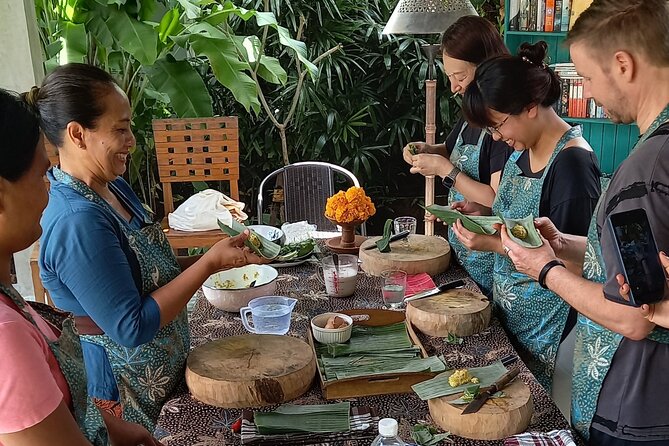
Tempeh is more than a menu item here: you learn how it is made, hear about its roots in Java, and use it in a home-style Balinese cooking class. The morning ends with lunch in the garden, built from the dishes you prepared.
I like two things in particular: you get hands-on time with tempeh rather than just a tasting, and Ayu and Ngurah teach several recipes, including vegetable urab with greens, beans, and grilled coconut. The small group, capped at 10, also gives the class room for questions.
One point to check before booking: the experience is described as being in Seminyak, but the meeting address is in Denpasar. Allow time to confirm the location and plan your journey accordingly.
What makes this class worth your morning
- Tempeh from scratch: Learn about the making process and the food’s history, then cook with tempeh in several dishes.
- A plant-based foundation: The recipes use fresh plant-based ingredients, and chicken and tuna can be left out.
- Seven dishes for lunch: Sit down to a shared meal of the food made during class.
- A small class: The group is limited to 10, with a private option available on request.
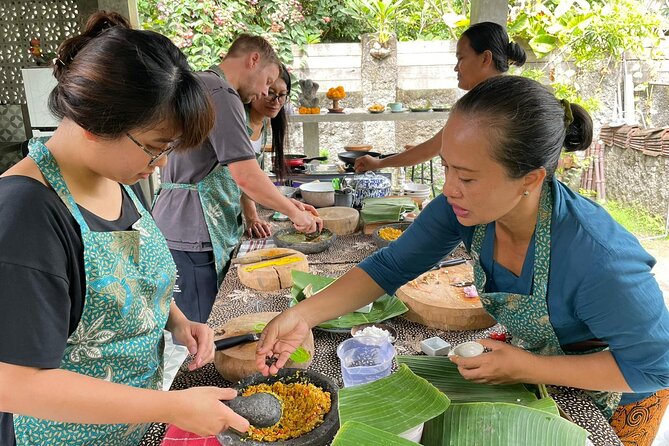
- A home setting: Cooking takes place in an open-air kitchen studio, with lunch served in the garden.
- A clear half-day plan: The class runs from 9:30 am to 12:30 pm and includes tea, coffee, water, and a light snack.
Tempeh takes center stage
Many cooking classes introduce you to a few local recipes. This one begins with a specific ingredient and gives you time to understand it. Tempeh, made originally in Java, has been part of Indonesian food since at least the 1600s, and the class treats it as both a staple and a versatile cooking ingredient.
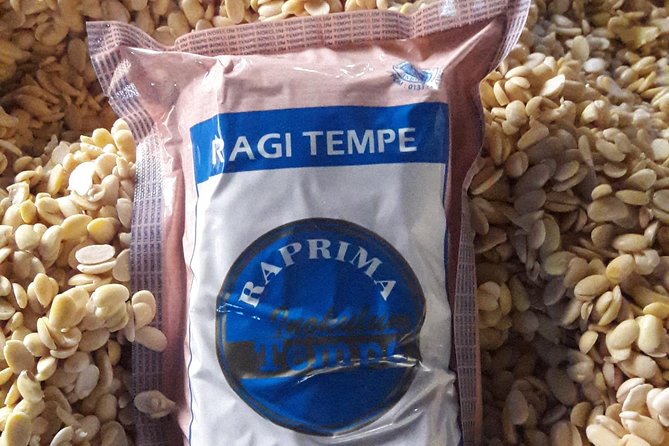
You learn the highlights of the tempeh-making process before moving on to the cooking. That sequence is useful: instead of meeting tempeh only as a finished ingredient, you get a better sense of how it is made and why it matters in Indonesian food. The class does not promise a full technical course in fermentation, so go in expecting an introduction and a practical cooking session rather than a specialist workshop.
I like that the lesson connects food history to lunch. Tempeh is not presented as an exotic novelty for visitors to sample once. You work it into several dishes, which gives you a more useful feel for how it can be prepared and served. One Japanese-language comment about the class singled out a tempeh fritter as a recipe worth adapting at home, a handy reminder that some of the ideas may travel well beyond Bali.
More cooking classes around Seminyak:
- Seminyak: Balinese Cooking Class & Market Tour
★ 4.9 · 458 reviews - Balinese Cooking Class in Seminyak
★ 5.0 · 281 reviews - Nia Bali Seminyak Cooking Class
★ 5.0 · 127 reviews
Cooking with Ayu and Ngurah
Ayu and Ngurah lead the class, and their approach is a major part of its appeal. Ayu is described as passionate about cooking, while both hosts are praised for their warm welcome and careful teaching. The practical value is simple: you are not just watching someone cook. You can ask questions, follow each step, and learn how the ingredients come together.
The small-group limit of 10 helps keep the class personal. That does not guarantee one-on-one instruction throughout, but it should make it easier to see demonstrations and get attention than in a large tour group. If you prefer a more individual pace, a private group is available on request.
The hosts also provide a guide for making tempeh at home. That is a useful extra if you want to carry the lesson beyond your Bali trip, though you will still need to find the ingredients and set aside time to try the process yourself. The guide turns the class from a pleasant lunch activity into something with a practical afterlife.
A look at the morning, from 9:30 to lunch
The class starts at 9:30 am and finishes around 12:30 pm, with lunch included. That timing makes it a manageable morning activity, but it does occupy a substantial part of the day. If you have a tight schedule, leave room for the journey to the meeting point and avoid planning another fixed activity right at noon.
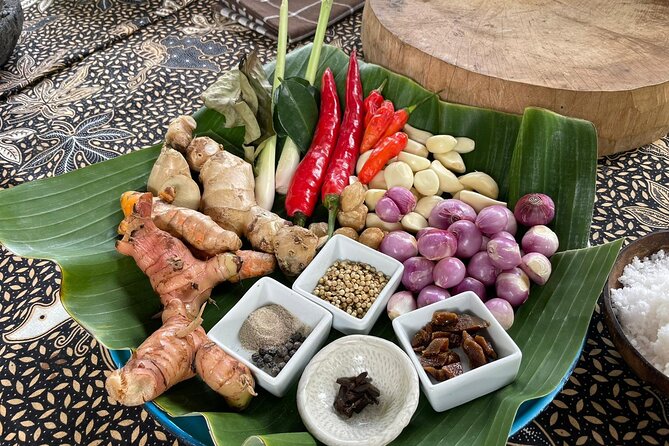
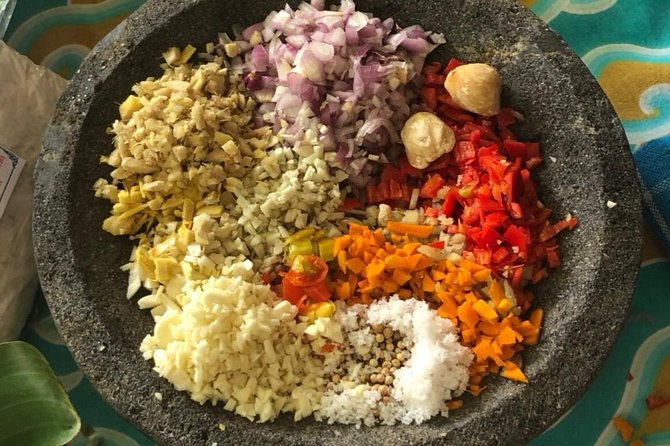
The first part focuses on tempeh and the ingredients used in Indonesian cooking. You will hear about tempeh’s history and learn the main steps involved in making it. The class also introduces the spices and other ingredients used in Balinese recipes. No detailed spice list is provided, so you should expect a general, hands-on introduction rather than a printed catalogue of every seasoning.
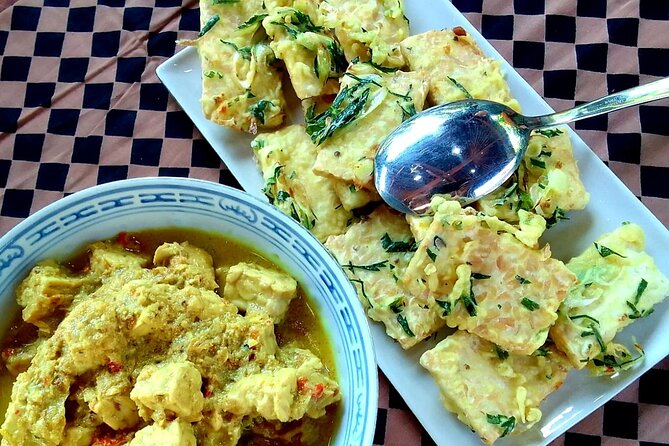
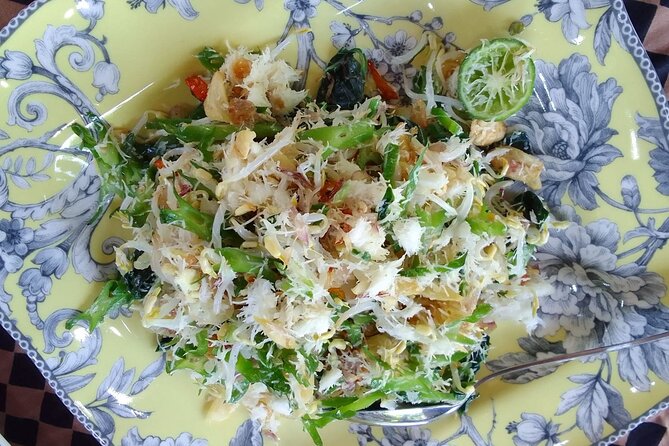
Next comes the cooking. The group prepares dishes from scratch using fresh plant-based ingredients. Tempeh appears in several recipes, alongside sayur urab, a vegetable dish combining greens and beans with grated grilled coconut. This gives you a chance to see how different textures and ingredients work together, rather than building the meal around tempeh alone.
Chicken and tuna may also be included, but both can be skipped if you are vegan. The class is therefore a good fit for plant-based eaters, as well as for people who simply want a meat-free meal. If you have other dietary needs, the information here does not say how those are handled, so ask before booking rather than assuming they can be accommodated.
The final part is lunch in the garden at the hosts’ home. You share seven dishes made during the class in a relaxed, family-style setting. That meal is part of the value: you get to taste the results of the work, compare flavors, and enjoy a full lunch rather than leaving after a demonstration.
Tea, coffee, water, and a light snack are provided during the class. The lunch is the main meal, so you may not need to plan a separate midday stop. Still, the exact size of portions is not specified, and appetites vary.
The open-air kitchen and garden setting
The cooking takes place in an open-air kitchen studio, followed by lunch in the garden of a cozy home. This is not a formal restaurant kitchen or a staged dining room. The home setting suits the subject: you learn recipes in a place meant for cooking and sharing food, then sit down to eat with the people who taught you.
That atmosphere is part of what you are paying for, along with the instruction and meal. If you mainly want a polished chef demonstration, this may not be the format for you. If you prefer a small class that feels connected to a local home, the setting is likely to be a plus.
Because the kitchen is open-air, weather matters. The activity may be canceled if conditions are poor, in which case you are offered another date or a refund. Bali’s weather can shape outdoor plans, so keep a little flexibility in your schedule if you are booking close to other commitments.
Same island, a different kind of day:
- Bali Full-Day Traditional Village Sightseeing Trip All Inclusive
★ 5.0 · 3,069 reviews - From Bali: Nusa Penida Private Snorkeling Tour with Lunch
★ 4.9 · 2,067 reviews - Experts Bali Driver : Best Bali Private Driver for Tour in Bali
★ 5.0 · 1,339 reviews - Bali Hai Sunset Dinner Cruise
★ 5.0 · 1,173 reviews
The meeting point needs a close look
The experience is marketed for Seminyak, but the stated meeting address is Canang Sari Homestay, Gg. Kaswari No. 6, Dangin Puri Kaja, North Denpasar, Denpasar City, Bali 80234. The activity ends back at the meeting point. That difference between the advertised area and the address is worth sorting out before you set off.
Do not assume that the class begins in central Seminyak just because Seminyak appears as the location. Check the exact meeting point on your booking and confirm your transport plan. The provided details do not include transportation, so you should arrange your own way to the address.
The mobile ticket makes it convenient to keep your confirmation on your phone. Booking is typically made about 24 days in advance, so it is sensible to reserve early if you have a fixed date in mind. The class has a maximum of 10 people and requires a minimum number to run; if that minimum is not met, you are offered another date or experience, or a refund.
Is $39 a fair price?
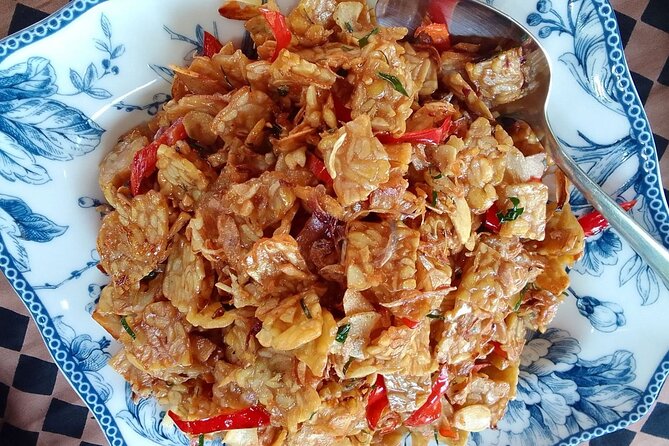
At $39 per person, this is not just a short cooking demonstration. The price covers a three-hour class, instruction from Ayu and Ngurah, tempeh-making guidance, several recipes, a seven-dish lunch, and drinks and a light snack. For someone interested in both Indonesian food and the process behind one key ingredient, that is a solid package for a half-day.
The value depends on what you want from a cooking class. If your priority is a large number of recipes, a market visit, or a detailed lesson on every spice, those elements are not promised here. The emphasis is narrower and more personal: learn about tempeh, cook Balinese dishes, and eat what you have made.
There is also the private option, available on request, for people who want a more personal session. The price and exact arrangements for a private class are not specified, so check those details before committing. For a standard group, the cap of 10 is a useful middle ground: social enough to share a meal, but small enough for the teaching to remain attentive.
Who should book this class?
I would put this class high on the list for anyone curious about tempeh, Indonesian home cooking, or plant-based food. It is also a good choice if you want a structured activity that ends with lunch, rather than a quick lesson that leaves you searching for a meal afterward.
Vegans can take part by skipping the chicken and tuna. The recipes are built around plant-based ingredients, which makes this more than a standard class with one token meat-free option. If you have allergies or dietary restrictions beyond avoiding animal products, confirm what can be adjusted before booking; the available details only specify the option to omit chicken and tuna.
The class may be less suitable if you want to stay close to Seminyak and avoid a trip to the stated Denpasar address. It is also not the best fit for a very rushed morning, since the class runs until about 12:30 pm and includes lunch. Check your schedule and location first, then decide whether the cooking and home setting are worth making room for.
Should you book it?
Book this class if you want more than a recipe handout: it combines a lesson in tempeh making, several Balinese dishes, and a shared lunch with Ayu and Ngurah. The strongest reasons to go are the focused tempeh lesson, the small group, and the chance to eat seven dishes you helped prepare.
Before paying, confirm the Denpasar meeting address, especially if you are staying in Seminyak. If the location works for you and you are interested in plant-based Indonesian cooking, $39 buys a thoughtful, satisfying morning. If your main goal is a broad survey of Balinese cuisine or a class with a market visit, look for those features elsewhere.
FAQ
How long is the cooking class?
The class lasts about three hours, from 9:30 am to around 12:30 pm. Lunch is included.
Where does the class meet?
The stated meeting point is Canang Sari Homestay, Gg. Kaswari No. 6, Dangin Puri Kaja, North Denpasar, Denpasar City, Bali 80234. The activity ends at the same point.
Is the class actually in Seminyak?
Seminyak is given as the location, but the meeting address provided is in Denpasar. Check the exact address and plan your journey before booking.
Who teaches the class?
Ayu and Ngurah lead the experience.
What will I cook?
You will learn about tempeh making and prepare several Indonesian dishes, including tempeh dishes and sayur urab, a vegetable dish with greens, beans, and grilled coconut. The meal includes seven dishes.
Can I join as a vegan?
Yes. Chicken and tuna can be skipped, and the class uses plant-based ingredients. The supplied details do not specify accommodations for other dietary restrictions.
How many people can join?
The class has a maximum of 10 participants. A private group is available on request.
What is included besides the cooking lesson?
Tea, coffee, water, a light snack, and the lunch made during class are included.
Can I cancel for a refund?
You can cancel at least 24 hours before the start time for a full refund. Cancellations or changes made less than 24 hours before the start time are not accepted.
Just added around Seminyak
- Ulun Danu Beratan, Jatiluwih, & Tanah Lot Private Tour★ 5.0 · 4 reviews
- special package west meet east side penida tour★ 5.0 · 3 reviews
- Surf lesson | Energy surfschool krui★ 5.0 · 3 reviews
- Ubud Kintamani Full Day Tour★ 5.0 · 3 reviews
- Nusa Penida West trip with snorkeling at 3 spot with Free Meals★ 5.0 · 15 reviews
- West Nusa Penida Island Snorkeling Tour – From Bali Island★ 4.0 · 5 reviews
- Best of North Bali: Banyumala Waterfall, Handara Gate and Temple★ 5.0 · 4 reviews
- VIP Ultimate Spa Experience & Tanah Lot Temple Visit (Private & All-Inclusive)★ 5.0 · 13 reviews
Bali Cooking Classes, compared.
Cooking class in the comfort of your own personal villa. Yes, I’ll come to you!
Read our review →
Balinese Cooking Class & Tanah Lot Temple Visit – Private & All-Inclusive
Read our review →
Bali Cooking Class Experience with All Inclusive
Read our review →
Pure Bali Village Experience Cooking & Jamu Class, Transfer
Read our review →
Browse the lists this tour appears in