
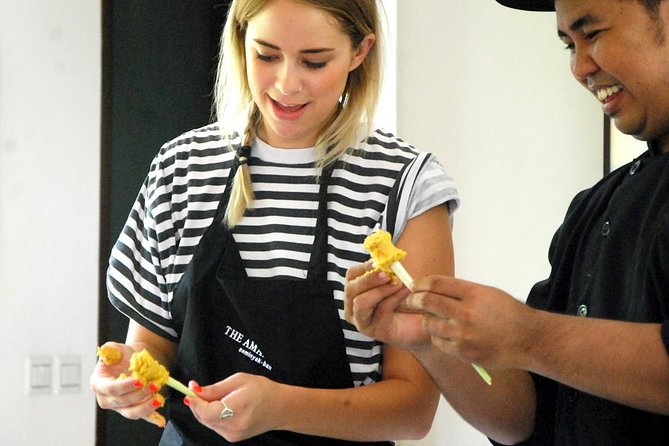
Reviewed · BALI COOKING CLASSES
Balinese Cooking Class in Seminyak
Balinese cooking makes more sense when you see the ingredients before they reach the pan. This class pairs a hands-on session at The Amala with an optional morning visit to Jimbaran fish market, where you can shop for ingredients alongside the chef. I like that you finish by eating the meal you prepared, rather than simply taking home a recipe.
Two things I especially like: the class teaches specific dishes and spice preparation, and you can choose a vegetarian menu as well as two menus featuring meat or seafood. Chefs including Putu have guided classes, with staff such as Manik and Evi helping make the cooking easy to follow.
The main consideration is the market visit: it is optional, only offered with the morning session, and requires at least two people unless you pay an extra fee as a solo participant. Also, pickup is included only within Seminyak, so check the cost and arrangements if you are staying farther away.
What to know before you book
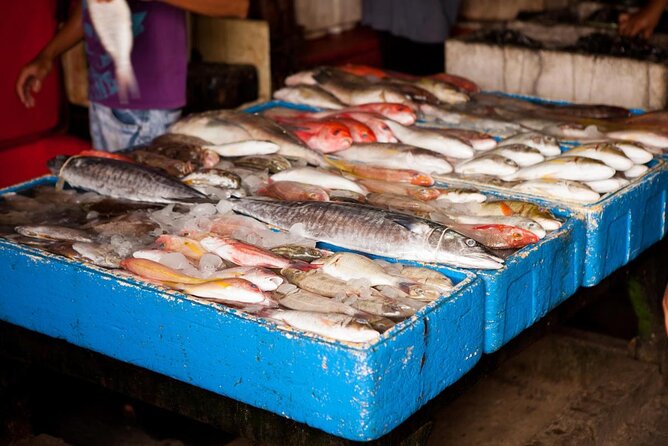
- Jimbaran fish market is an optional morning stop: Go with the chef at 9:30 a.m. to see the fish and buy ingredients for the class.
- The cooking happens at The Amala in Seminyak: You meet the chef there at 11 a.m. for a morning class or 4 p.m. for an afternoon class.
- Choose one of three set menus: Menu 1 includes chicken and fish, Menu 2 includes seafood and chicken, and the third menu is vegetarian.
- You eat what you prepare: The class ends with lunch or dinner, depending on your session.
- Seminyak-area return transport is included: The market visit has a two-person minimum, with an additional charge for one person.
- The class is small and has age limits: The maximum group size is 10, the minimum age is 12, and at least two people are required for the activity.
Start with the ingredients, not just the recipe
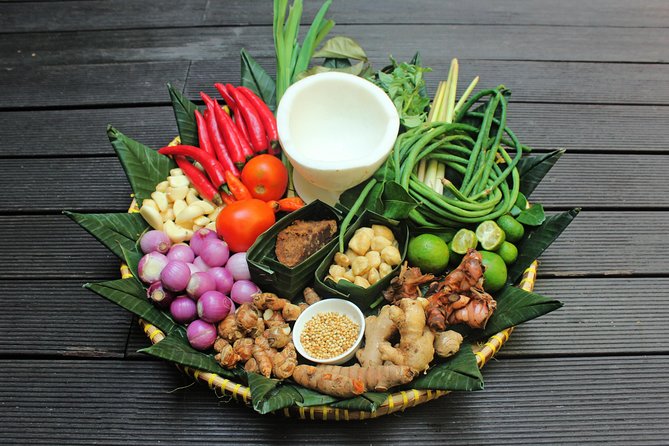
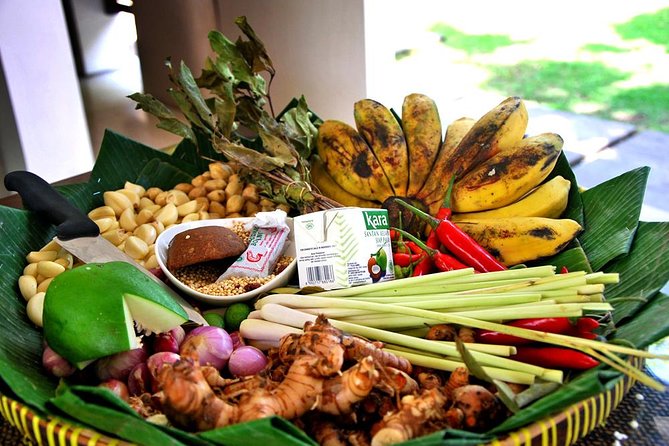
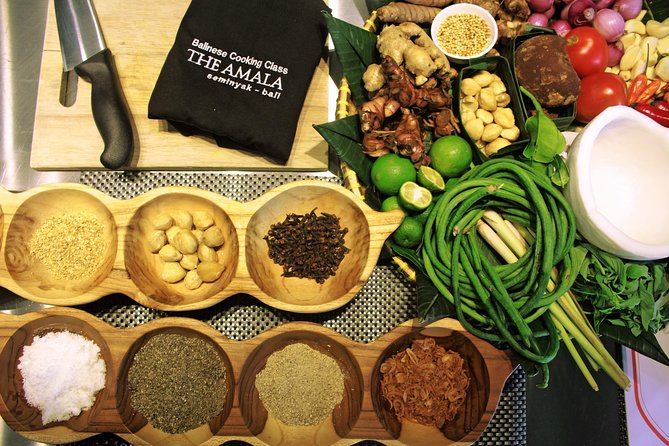
Balinese cooking is built around combinations of spices, fresh produce, coconut, and other ingredients that can be unfamiliar if you are used to cooking at home. Here, the chef introduces the ingredients and equipment before you begin preparing a three-course meal. That context matters: you are not just following a list of steps, you are learning what goes into the dishes and how the components fit together.
A particularly useful part is the preparation of the spice base used across the dishes. One participant who cooked with Chef Putu noted that the class covered base gede, a Balinese spice paste, as well as the menu dishes. The chef can explain what each ingredient does and suggest substitutes for items that may be hard to find back home, a practical touch if you plan to cook the recipes again.
The menu is set for the whole class, so everyone chooses the same one. That makes the session easier to run as a group, but it also means you should select the menu that suits you when booking. If you want a meat-free meal, choose the vegetarian menu rather than expecting to make individual swaps during the class.
More cooking classes around Seminyak:
- Seminyak: Balinese Cooking Class & Market Tour
★ 4.9 · 458 reviews - Nia Bali Seminyak Cooking Class
★ 5.0 · 127 reviews - Cooking class in the comfort of your own personal villa. Yes, I’ll come to you!
★ 5.0 · 80 reviews
The optional Jimbaran market visit
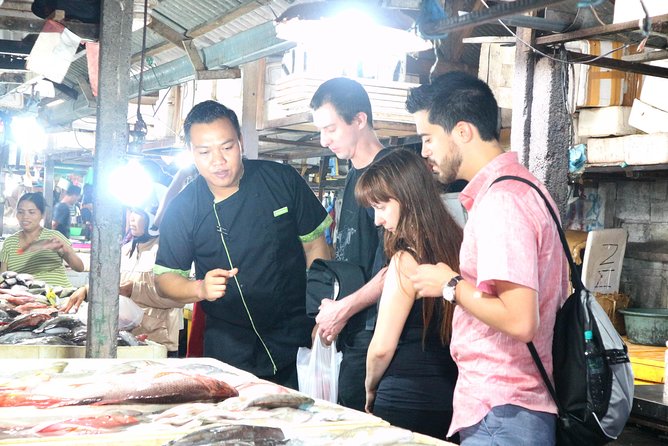
The market add-on begins at 9:30 a.m. and is available only with the morning class. You go with the chef to Jimbaran fresh fish market, where you can look at the day’s fish and purchase ingredients for the cooking session. Some groups also visit a nearby produce market, giving you a chance to see local herbs and vegetables before using them at the stove.
This stop is more than a shopping errand. The chef can help you understand what to look for when choosing fish and explain the ingredients you will later handle in class. One concrete tip shared during a visit was to look for red eyes when selecting fresh red snapper. The market also gives the dishes a clear connection to the food being sold locally, rather than making the cooking lesson feel detached from its ingredients.
There are trade-offs. You need to start earlier, and the market visit is not part of the afternoon session. It also requires a minimum of two people per booking; a solo participant can request it for an extra Rp100,000 net. If seeing the market is important to you, confirm that the option is included in your booking and clarify any transport costs for lodging outside Seminyak.
What you cook, menu by menu
Menu 1 begins with lawar salad, a mix of green beans, fresh coconut, and chicken. The main course is tum ikan, fish steamed in a banana leaf, followed by dadar gulung, a coconut pancake with palm sugar and coconut filling. It offers a useful range of techniques and ingredients, from making a salad to wrapping and steaming fish.
Menu 2 starts with jukut gedang mekuah, a young papaya soup with seafood. Then you prepare chicken satay served on a lemongrass stick with steamed rice, followed by godoh biu, Balinese fried banana. If you enjoy a meal that moves from soup to grilled or cooked meat and then something sweet, this is the varied option.
The vegetarian menu has gado-gado, a vegetable salad with peanut dressing, followed by pepes tahu, bean curd steamed in a banana leaf. Dessert is bubur injin, Balinese black rice pudding. It is a full three-course choice, not merely a side dish substituted for meat.
The menu details also help you choose based on what you want to learn. If fish and banana-leaf cooking appeal to you, Menu 1 is a natural fit. If you would rather make chicken satay and sample seafood soup, choose Menu 2. For a vegetarian meal, the third menu is the clear choice.
From chef introduction to the final meal
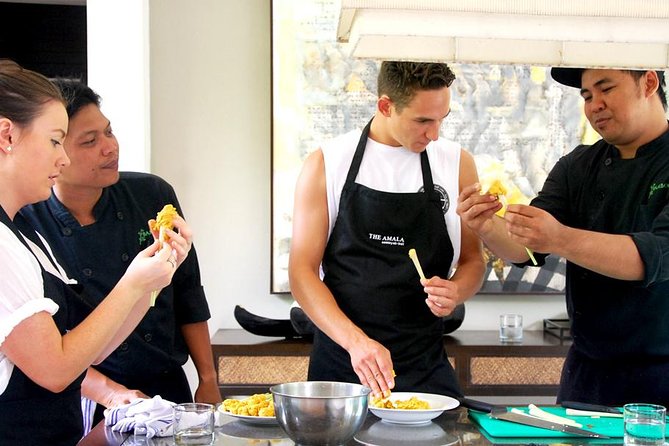
The morning class starts at 11 a.m. at The Amala, after the optional market visit. The afternoon session begins at 4 p.m. The chef first introduces the equipment and ingredients, then guides the class through preparation and cooking, with the meal ready around 1 p.m. for the morning class or 6 p.m. for the afternoon session.
The listed duration is about three hours, though the cooking timetable itself runs for roughly two hours from the class introduction to the meal. Add the market visit and your morning outing begins earlier. If you have other plans that day, allow time for the market and return transfer rather than treating the class as a quick stop.
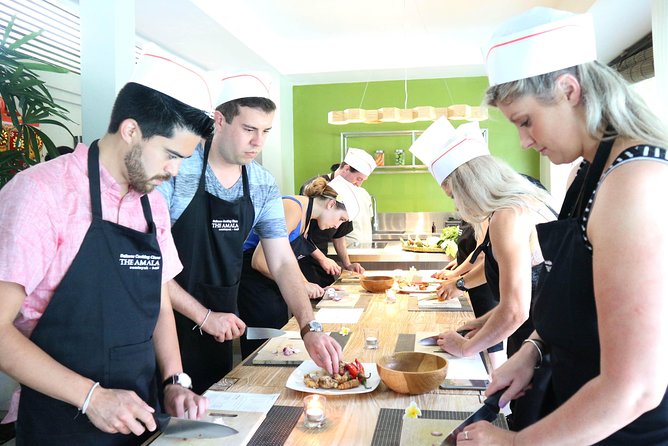
The class is hands-on, but do not expect every minute to be spent at the stove. Participants have described doing plenty of chopping and ingredient preparation, with the chef demonstrating and supervising. That is an ordinary part of cooking, especially when several dishes share a spice base or need ingredients cut before cooking begins. Still, if you are looking for a fast-paced chef’s counter demonstration with minimal prep, this format may feel more practical than theatrical.
You should have opportunities to take turns preparing and cooking. The chef explains the process as you go and can answer questions. The best use of the session is to ask about the steps you are most likely to repeat at home: how to prepare the spice mixture, how to handle a banana-leaf parcel, or what to use if a particular ingredient is unavailable where you live.
More hands-on workshops around Seminyak:
- Legian Beach, Bali: Beginner or Intermediate Surf Lessons
★ 4.9 · 1,019 reviews - Bali: Canggu Jewelry Making Class with Creative Studio Vibes
★ 4.9 · 1,003 reviews - Bali: Canggu & Uluwatu Puppy Yoga Class & Refreshing Drinks
★ 4.8 · 891 reviews - Kuta/Bali: Private Beginner & Intermediate Surf Lessons
★ 4.9 · 563 reviews
A relaxed setting and a meal you helped make
The class takes place at The Amala, a Seminyak retreat, rather than at the market itself. The setting has been described as calm and attractive, and the finished dishes are served for lunch or dinner after the cooking is complete. For me, that meal is the point of the class: you get to taste how the ingredients and techniques come together while the process is still fresh in your mind.
The meal is part of the activity, not an additional restaurant bill. Portions have been described as generous, so arrive ready to eat rather than planning a large meal immediately afterward. One practical caveat is that a participant found the food had cooled by the time the group sat down. Timing may vary, but if keeping a dish hot matters to you, ask the team how the meal will be served as the cooking wraps up.
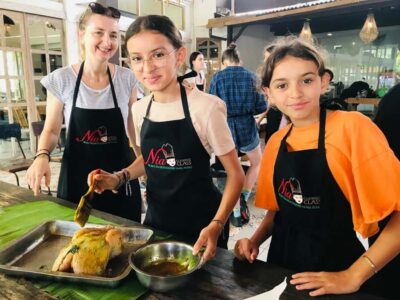
At the end, you receive a certificate and can keep your class apron. Neither is the main reason to book, but both make pleasant reminders of the session. More importantly, the recipes and cooking guidance give you something to use later, especially if you take notes about ingredients that may be difficult to find at home.
Is $66.67 a fair price?
At $66.67 per person, you are paying for more than a cooking demonstration. The price includes the class, the meal you prepare, a certificate and apron, and private round-trip transport within the Seminyak area. If you value a guided introduction to local food and want an activity that includes dinner or lunch, that bundle can make good sense.
The market visit is optional, so check whether it is included in the price shown for your chosen booking. It has a two-person minimum. A solo participant can request the visit for an extra Rp100,000 net, which changes the total cost. The included pickup is specific to Seminyak, not all of Bali; a participant staying in Nusa Dua reported an additional transport charge. If your accommodation is outside the stated area, confirm the fee before you commit.
The class also has a two-person minimum and a maximum of 10 participants. That cap should keep the group manageable, though the exact number of people in your session may vary. If you are traveling alone, confirm that your date can run before building the rest of your plans around it.
Who will enjoy this class most?
I would recommend this class if you want a practical introduction to Balinese food, not just a meal out. It suits curious cooks, couples, friends, and families with children aged 12 or older. The market visit makes it especially appealing if you like understanding where ingredients come from and want time with the chef before the cooking starts.
The vegetarian menu makes the class a reasonable option for people who do not eat meat. If you have other dietary needs, the provided menu details do not explain whether substitutions are possible, so ask before booking rather than assuming the dishes can be changed. Keep in mind that each class follows one shared menu.
This is not the best fit if your schedule is tight, if you want a market visit but can only attend in the afternoon, or if you expect to be cooking continuously for the full session. Preparation and chopping are part of the work. For most people, though, that is exactly what makes the lesson useful: you take part in the small steps that turn fresh ingredients into a meal.
Should you book the Seminyak cooking class?
Book it if you want to make and eat a Balinese three-course meal with a local chef, and especially if you can add the Jimbaran market visit. The market gives the morning session extra context, while the class itself offers a choice of meat, seafood, or vegetarian dishes. I would treat the apron and certificate as nice extras, not the main value.
Before paying, check three things: your hotel is within the included Seminyak pickup area, the market option is attached to your morning booking if you want it, and the menu works for everyone in your party. If those details line up, this is a useful, sociable way to bring a little Bali cooking home.
FAQ
How long is the cooking class?
The activity is listed as approximately three hours. The class timetable runs from 11 a.m. to about 1 p.m. for the morning session, or 4 p.m. to about 6 p.m. for the afternoon session. The optional market visit starts at 9:30 a.m.
Is the Jimbaran market visit included?
It is an optional addition for the morning session only. It requires at least two people per booking. A solo participant can request the visit for an extra Rp100,000 net.
What menus can I choose from?
There are three set menus. Menu 1 includes chicken salad, steamed fish, and a coconut pancake. Menu 2 includes young papaya seafood soup, chicken satay, and fried banana. The vegetarian menu includes vegetable salad, steamed bean curd, and black rice pudding.
Is hotel pickup included?
Private round-trip transfer is included within the Seminyak area. If you are staying elsewhere, confirm whether an extra charge applies before booking.
What is the minimum age and group size?
The minimum age is 12. The activity requires at least two people and has a maximum group size of 10.
Can I cancel for a refund?
You can cancel at least 24 hours before the start time for a full refund. Cancellations or changes made less than 24 hours before the start time are not accepted for a refund. If poor weather cancels the activity, you are offered another date or a full refund.
Just added around Seminyak
- Ulun Danu Beratan, Jatiluwih, & Tanah Lot Private Tour★ 5.0 · 4 reviews
- special package west meet east side penida tour★ 5.0 · 3 reviews
- Ubud Kintamani Full Day Tour★ 5.0 · 3 reviews
- Surf lesson | Energy surfschool krui★ 5.0 · 3 reviews
- West Nusa Penida Island Snorkeling Tour – From Bali Island★ 4.0 · 5 reviews
- Best of North Bali: Banyumala Waterfall, Handara Gate and Temple★ 5.0 · 4 reviews
- Nusa Penida West trip with snorkeling at 3 spot with Free Meals★ 5.0 · 15 reviews
- VIP Ultimate Spa Experience & Tanah Lot Temple Visit (Private & All-Inclusive)★ 5.0 · 13 reviews
Bali Cooking Classes, compared.
Cooking class in the comfort of your own personal villa. Yes, I’ll come to you!
Read our review →
Balinese Cooking Class & Tanah Lot Temple Visit – Private & All-Inclusive
Read our review →
Traditional Tempeh Making & Cooking Balinese Cuisine
Read our review →
Bali Cooking Class Experience with All Inclusive
Read our review →
Pure Bali Village Experience Cooking & Jamu Class, Transfer
Read our review →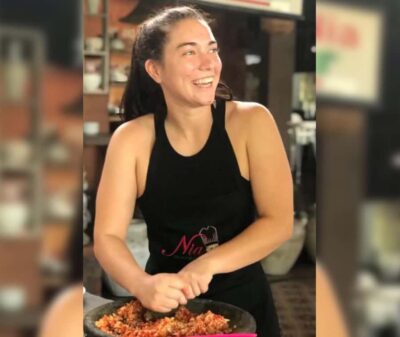
Browse the lists this tour appears in